There Is No Medical Disease —
There Is Only Metabolic Dysfunction
Caused By Mineral Imbalance
– Morley Robbins

Mineral Balancing
What I want to invite you to understand is this: instead of seeing your body as broken or defined by a diagnosis, I invite you to consider that your symptoms be signals of underlying imbalance — especially in how your body produces energy and regulates essential minerals.
Minerals are not “just nutrients."
They are the foundational building blocks of life.
Every heartbeat.
Every nerve impulse.
Every single movement.
Every hormone signal.
Every detoxification pathway.
Even every emotional expression.
All of it depends on minerals,- as well as their balance & relationship to each other.
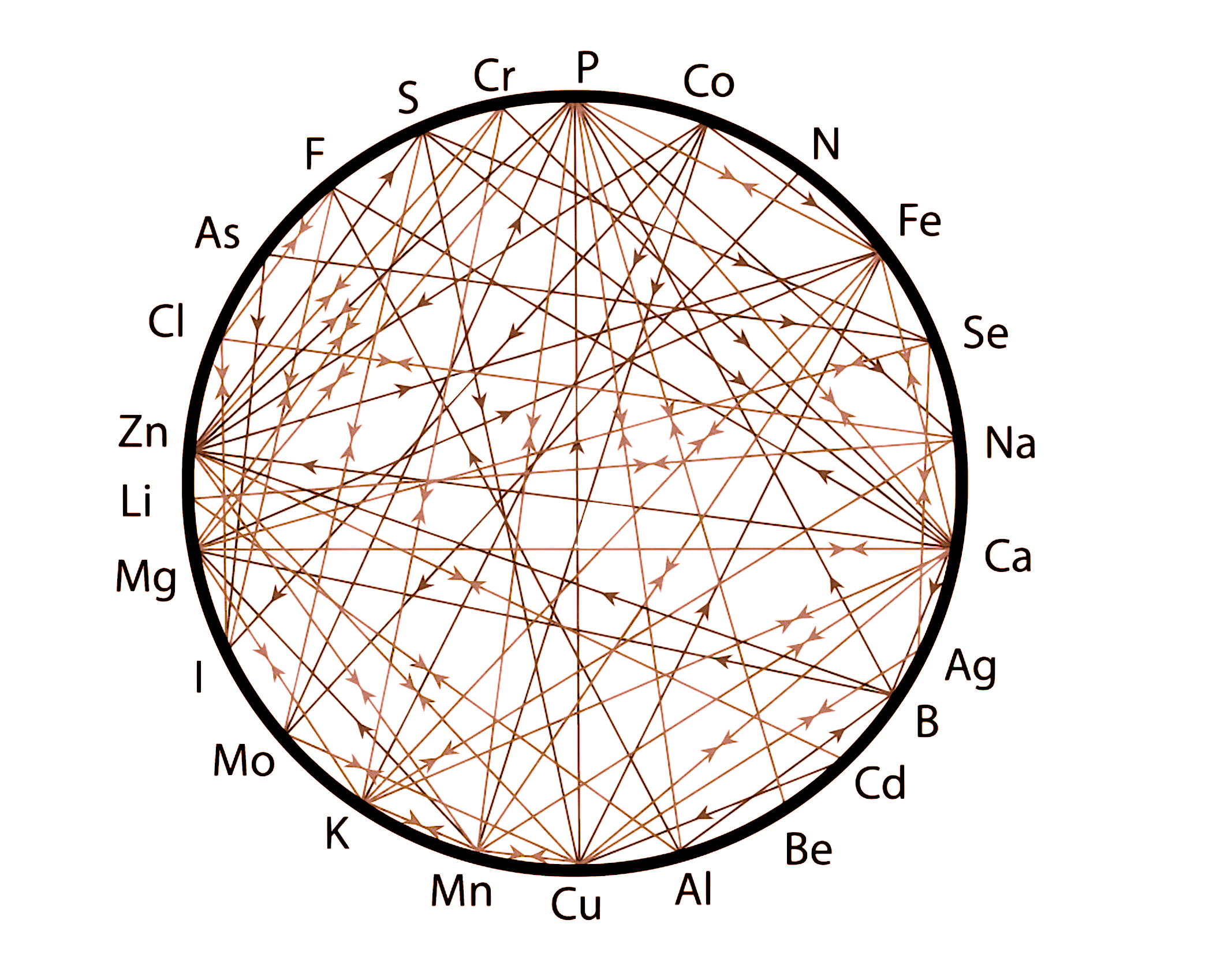
Your body is fundamentally electrical & energetic. Minerals like magnesium, potassium, sodium, calcium, copper, and iron are in direct relationship with each other & allow your cells to hold charge, communicate, and generate energy. When minerals are balanced & within the right ratio with each other: energy flows. Exhaust can be expelled. But when they are not, energy drops. Exhaust backs up & stagnates.
 And here is something essential: Energy deficiency is the blind spot of conventional medicine. Every single disease label — regardless of its name or category — shares one underlying pattern: it begins with a decline in energy production at the cellular level. Before dysfunction becomes diagnosable, energy output declines.
Before tissue breaks down, mitochondria (the cells power production) struggle. Before symptoms escalate, the system is already underpowered. When your body cannot produce sufficient energy, it cannot:
Repair efficiently
Regulate inflammation
Adapt to stress
Maintain hormonal balance
Detoxify effectively
Stay grounded & calm
Symptoms are the visible result of invisible energy compromise.
So instead of asking, “What disease do I have?”
We begin asking, “Is my body producing energy well?”
“Are my minerals supporting that process?”
“Is my metabolism resourced?”
This shifts you from identifying with a label to investigating function.
When mineral balance improves, energy production improves.
And when energy improves, the body regains capacity to adapt dynamically & to relate harmonically,- Within yourself, as well as within your environment & with others.
We are not chasing diagnoses here.
We are restoring power & igniting energy. Get in Contact & book a discovery session - free of charge!
Minerals are not “just nutrients."
They are the foundational building blocks of life.
Every heartbeat.
Every nerve impulse.
Every single movement.
Every hormone signal.
Every detoxification pathway.
Even every emotional expression.
All of it depends on minerals,- as well as their balance & relationship to each other.
Your body is fundamentally electrical & energetic. Minerals like magnesium, potassium, sodium, calcium, copper, and iron are in direct relationship with each other & allow your cells to hold charge, communicate, and generate energy. When minerals are balanced & within the right ratio with each other: energy flows. Exhaust can be expelled. But when they are not, energy drops. Exhaust backs up & stagnates.
Before tissue breaks down, mitochondria (the cells power production) struggle. Before symptoms escalate, the system is already underpowered. When your body cannot produce sufficient energy, it cannot:
Repair efficiently
Regulate inflammation
Adapt to stress
Maintain hormonal balance
Detoxify effectively
Stay grounded & calm
Symptoms are the visible result of invisible energy compromise.
So instead of asking, “What disease do I have?”
We begin asking, “Is my body producing energy well?”
“Are my minerals supporting that process?”
“Is my metabolism resourced?”
This shifts you from identifying with a label to investigating function.
When mineral balance improves, energy production improves.
And when energy improves, the body regains capacity to adapt dynamically & to relate harmonically,- Within yourself, as well as within your environment & with others.
We are not chasing diagnoses here.
We are restoring power & igniting energy. Get in Contact & book a discovery session - free of charge!
Mineral Balancing & Hair Tissue Mineral Analysis
Understanding HTMA
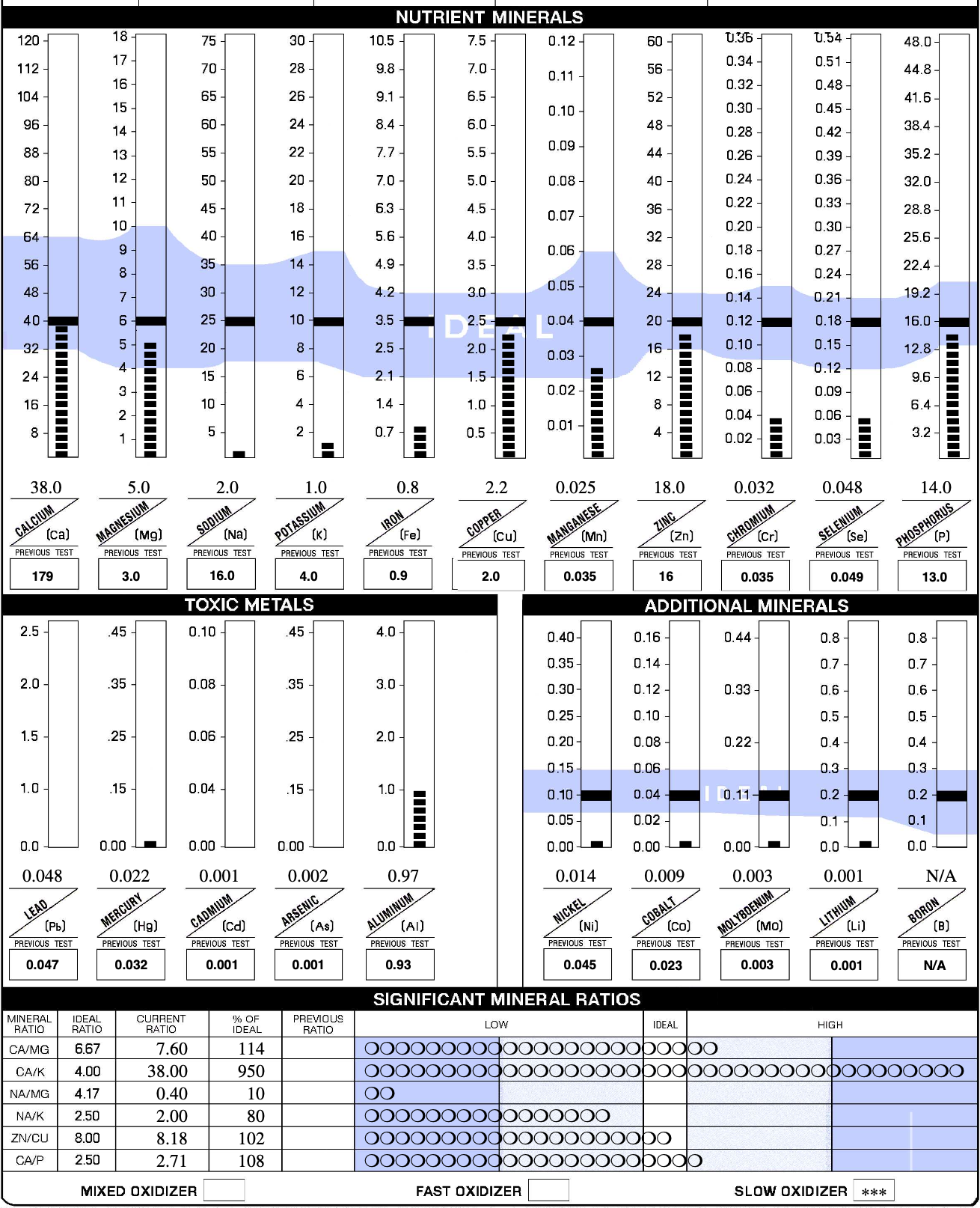
Hair Tissue Mineral Analysis, often abbreviated as HTMA, offers a window into the body that goes beyond surface-level symptoms. By examining mineral patterns stored in hair, it becomes possible to observe deeper biochemical trends—patterns that reflect not just isolated imbalances, but the overall condition of the body’s internal environment.
The roots of HTMA trace back to agricultural and soil science, where mineral balance in the soil was understood to directly influence the health and resilience of crops. Over time, this principle was translated into human biology. Paul Eckplayed a foundational role in developing HTMA as a clinical tool, mapping how mineral patterns relate to metabolic and endocrine function. His work was later expanded and refined by researchers such as Lawrence Wilson, David Watts, Rick Malter, and Morley Robbins, each contributing to a deeper understanding of how mineral relationships influence health at a systemic level.
Rather than focusing on single deficiencies or excesses in isolation, HTMA invites a broader perspective: it helps reveal how the body is functioning as a system.
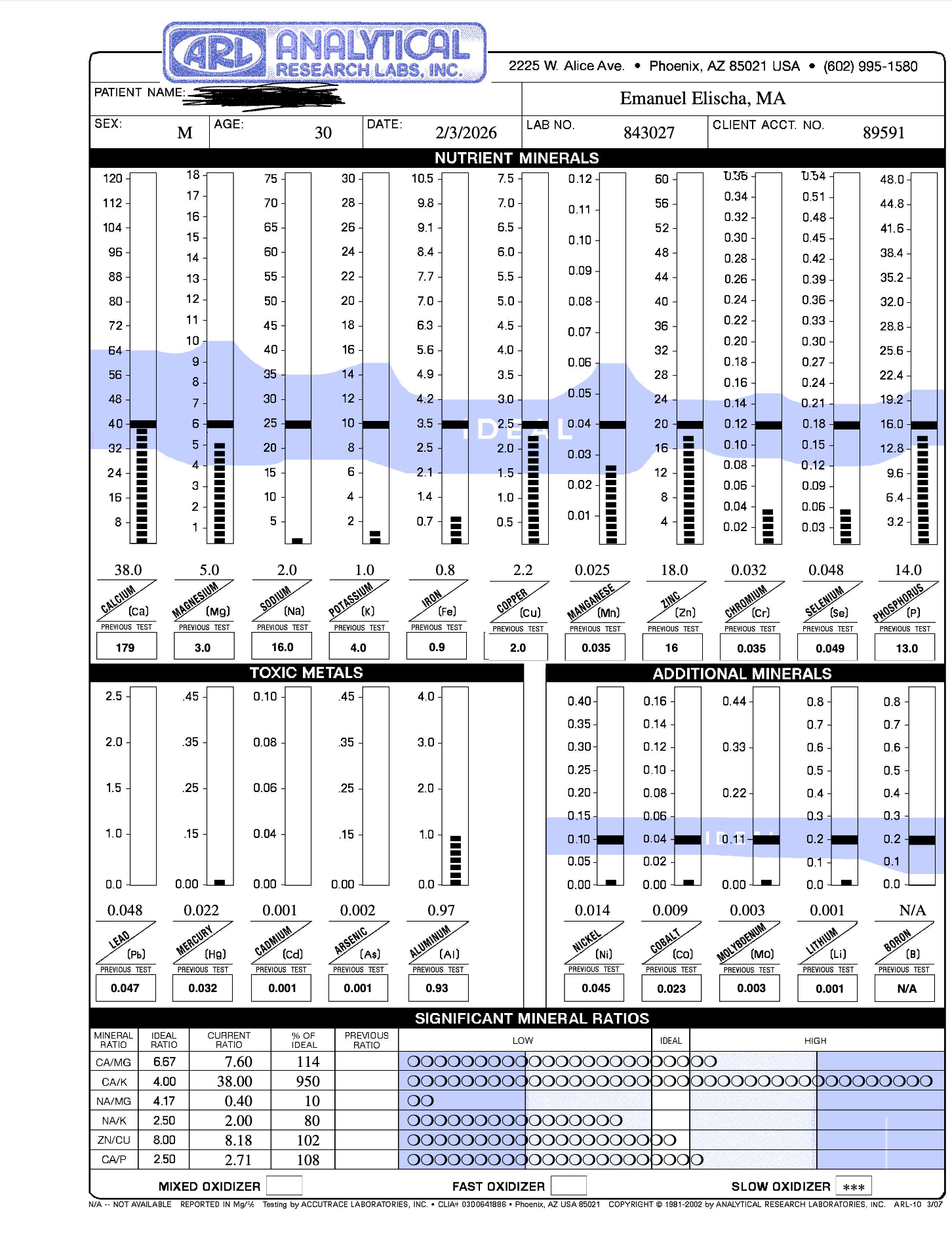 What HTMA Makes Visible
Through this type of analysis, several important layers of physiology begin to emerge. It can highlight:
• Imbalances in essential minerals—both too little and too much
• The presence and influence of heavy metals
• Metabolic tendencies and energy production patterns
• How the body responds to stress over time
• The balance between different branches of the nervous system
• The intricate relationships between minerals that shape biological function
Seen through a wider lens, these findings point toward the state of the body’s internal terrain, offering insight into the conditions that influence regulation and repair.
Who This Approach Speaks To
This kind of insight can be especially valuable for those who feel that conventional explanations have fallen short. It often resonates with:
• Individuals navigating long-standing or complex health challenges. When everything else failed.
• People aiming not just for absence of illness, but for genuine vitality.
• Other practitioners working with holistic systems
• Active individuals seeking sustained higher energy levels
• Anyone experiencing symptoms that remain unexplained
• Those drawn to understanding health at its root, rather than managing it at the surface
An Integrative Perspective
My approach brings together multiple strands of knowledge into a single, coherent framework. It draws on principles from the Root Cause Protocol, classical HTMA interpretation, and decades of hands-on experience in health and ancestral practices.
At its core is a shift in emphasis—from chasing isolated problems to understanding patterns.
Particular attention is given to the interplay between key minerals such as iron, copper, magnesium, and vitamin A. These elements do not act independently; they influence one another in ways that shape energy production, resilience, and overall balance. External stressors—whether environmental, nutritional, or emotional—add another layer, continuously shaping this internal landscape.
From this foundation, we work to:
• Map how mineral relationships influence overall function
• Translate these patterns into practical, personalized adjustments
• Support the body’s own regulatory capacity rather than override it
• Connect laboratory findings with real-life symptoms and experiences
For those already working within the Root Cause Protocol framework, additional laboratory markers can deepen the picture further. Blood-based insights complement HTMA data, helping refine the understanding of how minerals behave within the body and guiding more precise adjustments.
 The Impact of Mineral Balance
When the internal terrain begins to stabilize, changes often ripple outward.
On a physical level, this may be experienced as:
• More consistent energy
• Restorative sleep
• Stronger immune resilience
• Hormonal steadiness
• Smoother digestion
On a mental and emotional level, shifts can include:
• A calmer response to stress
• Clearer thinking
• Greater emotional flexibility
• More stable mood patterns
• An overall sense of ease and well-being
These changes tend to unfold as the internal environment becomes more supportive of balanced function.
The HTMA Journey
Working with HTMA is not a one-time snapshot but an ongoing process of observation and refinement. It typically involves:
• A thorough review of laboratory findings
• Exploration of symptoms, lifestyle, and stress influences
• Development of a tailored plan aligned with your current state
• Continuous interpretation of mineral interactions as they evolve
• Integration with broader mineral-balancing principles
• Regular follow-up and adjustments based on progress
Retesting every few months allows patterns to be tracked over time, offering a dynamic view of how the terrain is shifting.
A Different Way of Seeing Health
Mineral Balancing ultimately supports a subtle but powerful shift in perspective. Instead of viewing the body as something that needs constant external correction, it encourages recognition of an inherent intelligence already at work.
The role of analysis, in this context, becomes one of clarification—helping illuminate the conditions that shape how the body responds and adapts.
By understanding the terrain more clearly, it becomes possible to work with the body rather than against it, supporting processes that are already designed to restore balance when given the right conditions.
Hair Tissue Mineral Analysis, often abbreviated as HTMA, offers a window into the body that goes beyond surface-level symptoms. By examining mineral patterns stored in hair, it becomes possible to observe deeper biochemical trends—patterns that reflect not just isolated imbalances, but the overall condition of the body’s internal environment.
The roots of HTMA trace back to agricultural and soil science, where mineral balance in the soil was understood to directly influence the health and resilience of crops. Over time, this principle was translated into human biology. Paul Eckplayed a foundational role in developing HTMA as a clinical tool, mapping how mineral patterns relate to metabolic and endocrine function. His work was later expanded and refined by researchers such as Lawrence Wilson, David Watts, Rick Malter, and Morley Robbins, each contributing to a deeper understanding of how mineral relationships influence health at a systemic level.
Rather than focusing on single deficiencies or excesses in isolation, HTMA invites a broader perspective: it helps reveal how the body is functioning as a system.
Through this type of analysis, several important layers of physiology begin to emerge. It can highlight:
• Imbalances in essential minerals—both too little and too much
• The presence and influence of heavy metals
• Metabolic tendencies and energy production patterns
• How the body responds to stress over time
• The balance between different branches of the nervous system
• The intricate relationships between minerals that shape biological function
Seen through a wider lens, these findings point toward the state of the body’s internal terrain, offering insight into the conditions that influence regulation and repair.
Who This Approach Speaks To
This kind of insight can be especially valuable for those who feel that conventional explanations have fallen short. It often resonates with:
• Individuals navigating long-standing or complex health challenges. When everything else failed.
• People aiming not just for absence of illness, but for genuine vitality.
• Other practitioners working with holistic systems
• Active individuals seeking sustained higher energy levels
• Anyone experiencing symptoms that remain unexplained
• Those drawn to understanding health at its root, rather than managing it at the surface
An Integrative Perspective
My approach brings together multiple strands of knowledge into a single, coherent framework. It draws on principles from the Root Cause Protocol, classical HTMA interpretation, and decades of hands-on experience in health and ancestral practices.
At its core is a shift in emphasis—from chasing isolated problems to understanding patterns.
Particular attention is given to the interplay between key minerals such as iron, copper, magnesium, and vitamin A. These elements do not act independently; they influence one another in ways that shape energy production, resilience, and overall balance. External stressors—whether environmental, nutritional, or emotional—add another layer, continuously shaping this internal landscape.
From this foundation, we work to:
• Map how mineral relationships influence overall function
• Translate these patterns into practical, personalized adjustments
• Support the body’s own regulatory capacity rather than override it
• Connect laboratory findings with real-life symptoms and experiences
For those already working within the Root Cause Protocol framework, additional laboratory markers can deepen the picture further. Blood-based insights complement HTMA data, helping refine the understanding of how minerals behave within the body and guiding more precise adjustments.
When the internal terrain begins to stabilize, changes often ripple outward.
On a physical level, this may be experienced as:
• More consistent energy
• Restorative sleep
• Stronger immune resilience
• Hormonal steadiness
• Smoother digestion
On a mental and emotional level, shifts can include:
• A calmer response to stress
• Clearer thinking
• Greater emotional flexibility
• More stable mood patterns
• An overall sense of ease and well-being
These changes tend to unfold as the internal environment becomes more supportive of balanced function.
The HTMA Journey
Working with HTMA is not a one-time snapshot but an ongoing process of observation and refinement. It typically involves:
• A thorough review of laboratory findings
• Exploration of symptoms, lifestyle, and stress influences
• Development of a tailored plan aligned with your current state
• Continuous interpretation of mineral interactions as they evolve
• Integration with broader mineral-balancing principles
• Regular follow-up and adjustments based on progress
Retesting every few months allows patterns to be tracked over time, offering a dynamic view of how the terrain is shifting.
A Different Way of Seeing Health
Mineral Balancing ultimately supports a subtle but powerful shift in perspective. Instead of viewing the body as something that needs constant external correction, it encourages recognition of an inherent intelligence already at work.
The role of analysis, in this context, becomes one of clarification—helping illuminate the conditions that shape how the body responds and adapts.
By understanding the terrain more clearly, it becomes possible to work with the body rather than against it, supporting processes that are already designed to restore balance when given the right conditions.